Verifica di integrità di un'acquisizione
Ricalcoli l'hash di un'immagine forense (DD/E01) e lo confronti con l'hash annotato in fase di acquisizione: Probatio conferma che la copia non è stata alterata.
Probatio nasce dal lavoro quotidiano dell'analista forense. Ecco alcune situazioni tipiche in cui accorcia i tempi mantenendo il rigore probatorio.
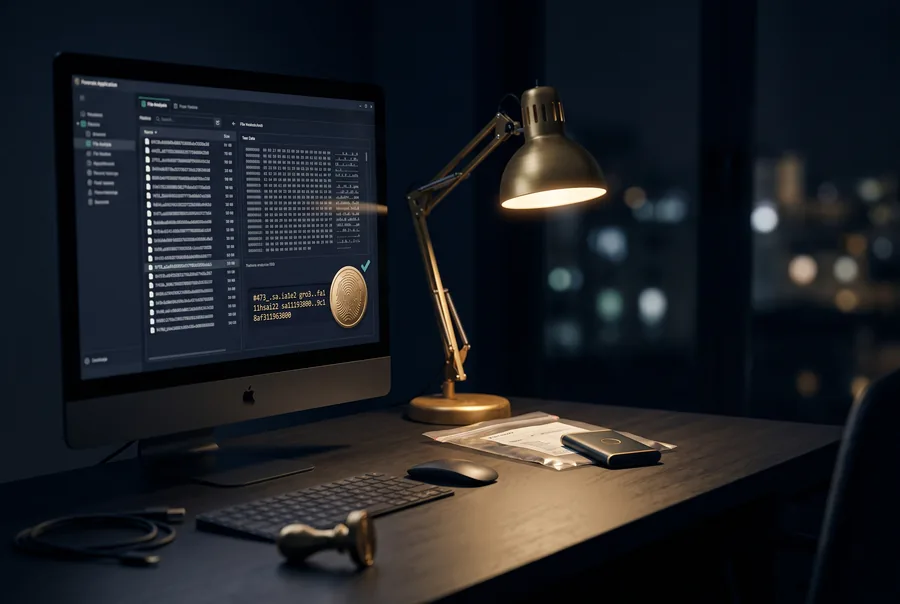
Ricalcoli l'hash di un'immagine forense (DD/E01) e lo confronti con l'hash annotato in fase di acquisizione: Probatio conferma che la copia non è stata alterata.
Analizzi un'immagine e Probatio ne estrae i Content Credentials C2PA, valida la firma e mostra provenienza, autore e catena di modifiche — utile contro deepfake e manipolazioni.
Su un file dubbio applichi regole YARA aggiornate, controlli entropia, stringhe e header eseguibili, e confronti con hash-set noti per una prima classificazione.
Scansioni un intero volume: Probatio cataloga ogni file con tipo, dimensione, hash e data del contenuto, e produce un report PDF ordinato cronologicamente.
Con gli hash percettivi individui se due immagini sono la stessa scena ricompressa o una manipolazione, e documenti le differenze in un report affiancato.
Generi il report di analisi e vi apponi una marca temporale RFC 3161 presso una TSA accreditata: una prova indipendente della data, verificabile con OpenSSL.
La controparte sostiene di non aver ricevuto una comunicazione. Verifichi la ricevuta di avvenuta consegna, anche salvata da Outlook in MSG: firma del gestore ancorata ad AgID, validità alla data della PEC, daticert.xml letto dalla parte firmata e confrontato con il messaggio originale. Il rapporto elenca ogni controllo.
Un cliente ha ricevuto una falsa richiesta di pagamento. Documenti il percorso dei server, l'esito di SPF, DKIM e DMARC, i link il cui testo mostra un indirizzo diverso dalla destinazione e gli allegati, senza aprire nulla: solo fatti che chiunque può ricontrollare.
Ti consegnano la corrispondenza in file MSG. La apri senza Outlook e in un processo isolato, leggi intestazioni e allegati con le loro impronte e la converti in EML, conservando la firma se il messaggio era firmato.
Ti arriva uno ZIP con migliaia di file. Ne documenti il contenuto con le impronte delle singole voci e il CRC ricalcolato senza estrarre nulla, capisci perché Windows lo dichiara «non valido» ed estrai solo ciò che serve.
Devi stabilire da chi proviene un eseguibile Windows lavorando su un Mac, o se un DMG è notarizzato lavorando su Windows. Probatio legge la firma dai byte: firmatario, catena, marca temporale e integrità del file.
Anni di copie sparse su un disco condiviso. Trovi i file identici per SHA-256 e li sposti in quarantena, con l'impronta ricontrollata prima di ogni spostamento e un rapporto di cosa è stato tolto e dove è finito.
La bozza concordata e il PDF poi firmato digitalmente dovrebbero coincidere. Confronto PDF trova ogni parola, numero o data cambiata con la pagina e il contesto, segnala timbri e pagine aggiunte, verifica le firme e chiude con un verdetto in chiaro, in un rapporto con le impronte dei due file.
Centinaia di pagine fotografate o scansionate, storte e senza testo. OCR in PDF le raddrizza, le gira e le rende ricercabili sul computer, senza mandarle a un servizio online; con «Solo testo» il PDF di partenza resta intatto, e il registro dichiara che cosa è stato fatto su ogni pagina.
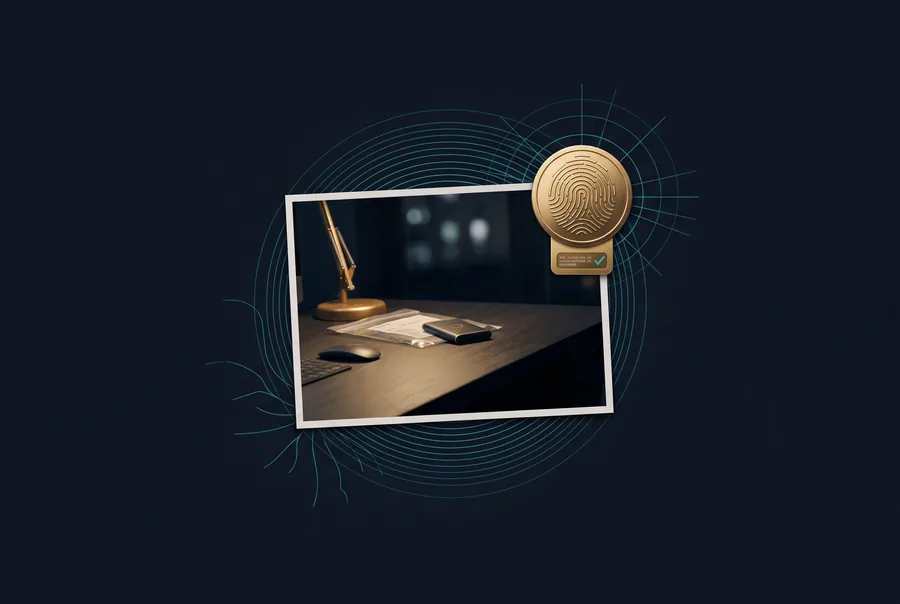
Con i Content Credentials C2PA, Probatio legge e valida la firma di provenienza di una foto: chi l'ha creata, con cosa e come è stata modificata — un aiuto concreto contro deepfake e manipolazioni.